
How Agricultural Studies Programs Can Shape Future Career Options
Building a Strong Foundation
Agricultural studies courses teach students about crops and livestock and their interactions with soil, farm management, food systems, and natural resources. This general knowledge should enable students to gain an understanding of the operation of agriculture from production to distribution. The learning acquired can equip graduates for various opportunities in the agro industry and associated fields.
Choosing an agricultural studies program carefully can also influence the range of career opportunities available after graduation. Students should consider factors such as course content, practical training, faculty expertise, industry connections, facilities, and opportunities for internships or research when comparing institutions. Reviewing the Best Worst Colleges Agricultural Studies can provide another perspective when evaluating different programs, helping prospective students identify strengths and potential limitations before deciding where to pursue their education.
Developing Practical Skills
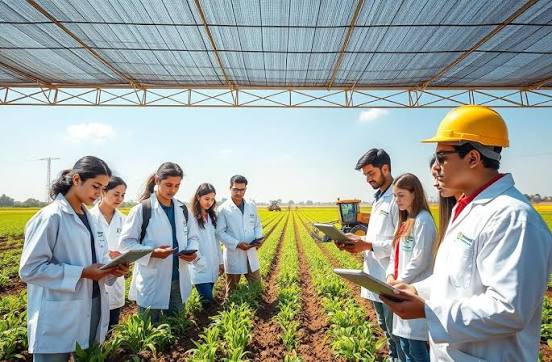
Agricultural education may be integrated with learning in the field of practice. Students are permitted to engage in fieldwork, laboratory work, farm projects or agricultural technology projects. The experiences can contribute to the building of skills, like problem solving, observation, handling of equipment, research and resource management. Graduates may be better equipped with “practical skills” for the workplace situation.
Learn about careers that encompass crop and plant sciences.
Students with an interest in profScience in plants can enter the field of crop production, horticulture, agronomy, or plant science. Agricultural programs provide students with an introduction to topics like soil management, crop nutrition, pest control, plant growth, and sustainable production. The knowledge can be applied in farms, nurseries, research institutions, agricultural companies and related enterprises.
Employment in the Agricultural Business sector.
There’s more to it, though, as agriculture is also a big business sector and provides opportunities beyond farming. Agricultural business courses allow students to acquire knowledge in marketing, finance, supply chains, sales and management. The skills can be applied to a variety of food business, farm and agricultural supply, equipment, commodity and farm management careers.
Understanding Agricultural Technology
Technology is becoming an ever more vital part of modern farming, where its ability to enhance efficiency and decision-making is crucial. Precision agriculture, data collection and automation, GIS (geographic information systems) and other new technologies may be offered to agricultural studies students. Technological awareness can be developed to establish a connection between agriculture and technology, in order for graduates to explore employment opportunities in this connection.
Supporting Environmental Careers
There is a close relation between agriculture and environmental management. Soil conservation, water management, biodiversity and sustainable farming courses can train students for pathways that involve environmental stewardship. Graduates can work in conservation agencies, agricultural consulting, resource management, and sustainability-related roles.
The development of Research and Analytical skills.
Agricultural research is a vital contributor to increased crop productivity and resource efficiency and to ensuring food security. Graduates who have acquired research and analytical abilities can go on to work in laboratories, colleges, research institutes and government organisations. The skills of collecting, analysing and communicating data can be useful in a variety of agricultural careers.
Communication & Leadership Prep
Agricultural professionals often collaborate with farmers, businesses, researchers, suppliers and community organisations. Agricultural programs have the potential to reinforce communication, co-operation, leadership and decision-making skills. These are the skills that can be applied to other career opportunities, such as supervisory, advisory, management or outreach roles, for graduates.
Creating Entrepreneurial Opportunities
Agricultural education can also play a role in promoting entrepreneurship. Students can apply their understanding to create a business related to farming, food processing, agricultural services, technology, or value-added. For entrepreneurs looking to consider opportunities, it is important to have a clear understanding of production, markets, costs, and customer needs.
Conclusion
Students with degrees in agricultural studies can find themselves in many different types of careers. These degrees involve teaching students a mix of science, hands-on experience, business knowledge, technology and environmental awareness, to help them manage evolving agricultural industries.