
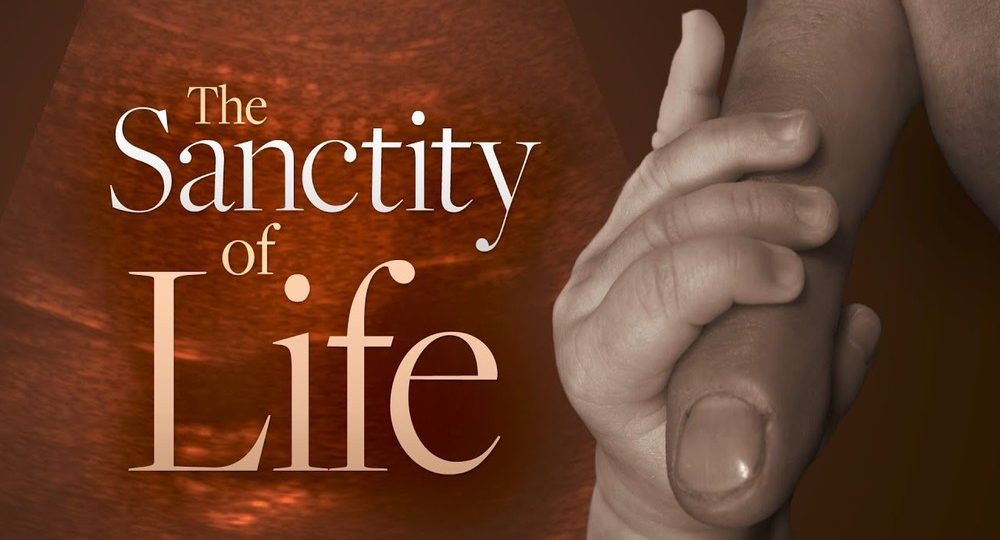
Sanctity of Human Life: Meaning, Importance, and Its Relevance in Today’s World
The sanctity of human life is one of the most fundamental principles in ethics, religion, and human rights. It refers to the belief that every human life is sacred, valuable, and worthy of respect and protection. This principle emphasizes that life has inherent dignity and should be protected from harm, injustice, and exploitation.
The concept of the sanctity of life has shaped moral values, legal systems, and religious teachings throughout history. It influences how societies view human rights, justice, healthcare, and social responsibility. Understanding this principle helps individuals appreciate the value of life and encourages compassionate and ethical behavior.
What Is the Sanctity of Human Life?
The sanctity of human life means that every human being has intrinsic worth simply because they are human. This value does not depend on age, status, ability, or social position. Every life deserves dignity, respect, and protection.
This principle teaches that:
- Human life is sacred and valuable
- Every person deserves respect and dignity
- Life should be protected from harm
- Individuals have moral responsibility toward others
The idea of sanctity encourages individuals and societies to uphold ethical standards and promote the well-being of others.
Religious Foundations of the Sanctity of Life
The concept of the sanctity of life is deeply rooted in religious teachings. Many religious traditions emphasize that life is a gift from God and should be respected and protected.
In Christianity, the sanctity of life is based on the belief that humans are created in the image of God. According to the teachings of Catholic Church, human life is sacred from conception to natural death. This belief emphasizes the importance of protecting life at all stages.
Similarly, other religious traditions also uphold the sanctity of life:
- Islam teaches that saving one life is like saving all humanity.
- Hinduism emphasizes non-violence (ahimsa) and respect for all living beings.
- Buddhism teaches compassion and avoidance of harm to others.
These teachings reinforce the universal importance of respecting human life.
Ethical Importance of the Sanctity of Human Life
Beyond religion, the sanctity of human life plays a crucial role in ethical decision-making. It forms the foundation of many moral principles and human rights.
This principle influences important ethical areas such as:
Human Rights
Human rights are based on the belief that every individual has inherent dignity and deserves protection. The sanctity of life ensures that all people are treated with fairness and respect.
Organizations like United Nations promote the protection of human life through international laws and human rights declarations.
Healthcare and Medical Ethics
The sanctity of life guides healthcare professionals to protect and preserve life. Doctors, nurses, and caregivers follow ethical standards that prioritize patient well-being and dignity.
Medical ethics emphasize:
- Respect for patients
- Preservation of life
- Compassionate care
- Ethical decision-making
Healthcare systems worldwide are built on the principle of protecting human life.
Social Justice and Equality
The sanctity of life promotes equality and justice. It encourages societies to protect vulnerable individuals and ensure fair treatment for all.
This principle supports:
- Protection of children
- Care for the elderly
- Support for people with disabilities
- Prevention of violence and abuse
Respect for life strengthens communities and promotes social harmony.
Sanctity of Life in Modern Society
In today’s world, the principle of the sanctity of life remains highly relevant. It influences decisions in healthcare, law, education, and public policy.
Protection of Human Rights
Modern legal systems are built on the belief that human life must be protected. Laws against violence, abuse, and discrimination reflect the importance of life’s sanctity.
Promoting Compassion and Respect
Respecting the sanctity of life encourages kindness, empathy, and compassion. It reminds individuals to treat others with dignity and understanding.
Ethical Decision-Making
The sanctity of life helps guide ethical decisions in complex situations. It encourages individuals to consider the value and dignity of every human being.
Why the Sanctity of Human Life Matters Today
The sanctity of human life is essential for building a just and compassionate society. It reminds us that every person has value and deserves respect.
This principle helps:
- Promote peace and harmony
- Protect vulnerable individuals
- Encourage ethical behavior
- Strengthen communities
- Support human rights
Without respect for life, societies cannot function ethically or peacefully.
Sanctity of Life and Personal Responsibility
Understanding the sanctity of human life encourages individuals to take responsibility for their actions. It reminds us that every action has consequences and that we should act with integrity and compassion.
Respecting life helps build stronger relationships, communities, and societies.
Final Takeaway
The sanctity of human life is a powerful principle that emphasizes the inherent value and dignity of every human being. Rooted in religious teachings, ethical philosophy, and human rights, it serves as a foundation for moral and social responsibility.
In today’s world, respecting the sanctity of life is more important than ever. It promotes compassion, justice, and ethical behavior while protecting the dignity of all individuals.
By understanding and embracing this principle, individuals and societies can work toward a more respectful, just, and compassionate world where every life is valued and protected.