Designing Educational Spaces That Encourage Better Engagement
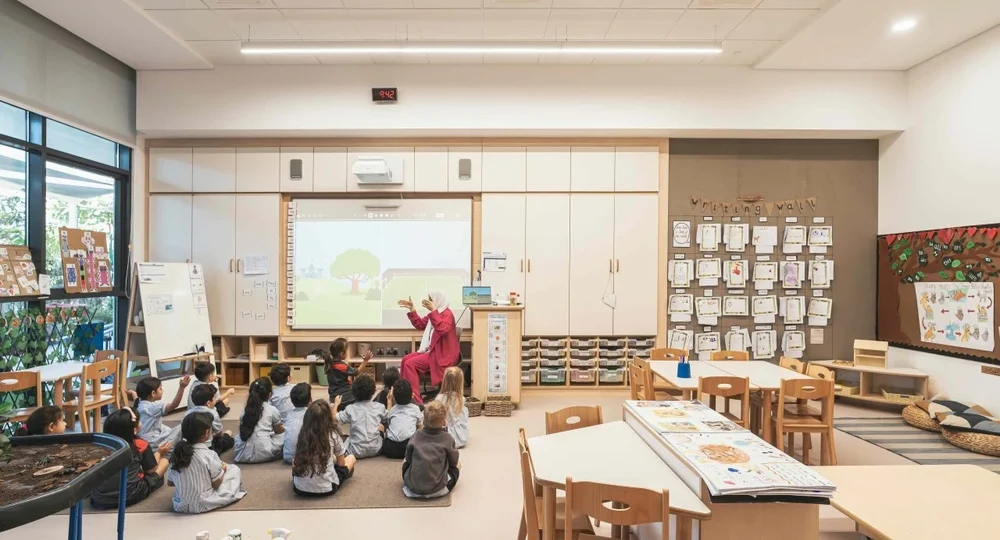
The design of a classroom shapes more than its appearance, it influences how students interact, collaborate, and participate throughout the school day. A thoughtfully planned learning space creates an atmosphere where students feel comfortable asking questions, completing assignments, and engaging in classroom discussions. From furniture placement to lighting design, every element contributes to an environment that supports effective teaching and active learning.
How Physical Environments Influence Participation
Students are more likely to remain engaged when the classroom is organized, welcoming, and free from unnecessary distractions. Adequate space for movement, clear visibility of teaching materials, and comfortable seating all encourages greater participation during lessons.
Lighting is another essential component of classroom design. Harsh or uneven illumination can create distractions, while balanced lighting helps students comfortably view textbooks, whiteboards, and digital displays. A visually pleasant environment allows learners to devote more attention to classroom activities instead of adjusting to uncomfortable conditions.
Choosing the Right Visual Environment
Creating an effective visual environment involves more than simply increasing brightness. Designers and school planners should consider how light is distributed across the room, how it interacts with classroom technology, and how it affects students throughout the day.
One practical solution is incorporating classroom light filters into existing lighting systems. These filters help soften harsh fluorescent lighting, reduce excessive glare, and create a calmer atmosphere without requiring a complete lighting replacement. The result is a more comfortable setting that supports reading, writing, and collaborative learning.
Schools interested in modern classroom lighting strategies can explore the educational solutions available through Make Great Light, where practical guidance is available for improving visual comfort in learning environments.
Balancing Comfort, Efficiency, and Functionality
An effective classroom should meet both educational and operational needs. While student comfort is a priority, schools must also consider energy efficiency, maintenance requirements, and long-term costs when planning facility improvements.
Modern LED fixtures paired with well-designed lighting layouts provide consistent illumination while reducing electricity consumption. Combining these systems with natural daylight and appropriate window treatments creates balanced lighting conditions throughout the day.
Flexible classroom layouts also contribute to functionality by supporting different teaching styles, including group discussions, project-based learning, independent study, and multimedia presentations. Lighting should complement these activities without creating unnecessary distractions.
Designing Spaces That Adapt to Changing Educational Needs
Educational environments continue to evolve as technology becomes a larger part of everyday learning. Interactive displays, tablets, laptops, and collaborative workstations require classrooms that can accommodate a variety of instructional methods.
Lighting solutions should be selected with this flexibility in mind. Adjustable fixtures, evenly distributed illumination, and thoughtful placement of lighting equipment help ensure that classrooms remain effective as educational practices continue to develop.
Incorporating classroom light filters can further improve adaptability by enhancing visual comfort in spaces where fluorescent lighting remains in use, allowing schools to improve learning conditions without extensive renovations.
Planning for Future-Ready Classrooms
Long-term classroom planning involves creating spaces that continue to support students and teachers as educational needs change. Durable materials, energy-efficient systems, adaptable layouts, and comfortable lighting all contribute to classrooms that remain functional for years to come.
By carefully considering classroom design during renovation or construction projects, schools can create learning environments that encourage participation, improve visual comfort, and support a wide range of teaching approaches. Investing in thoughtful planning today helps establish educational spaces that are prepared for future learning while providing students and educators with an environment where engagement and collaboration can naturally thrive.