Best International Curriculum Schools in Noida for Global Education
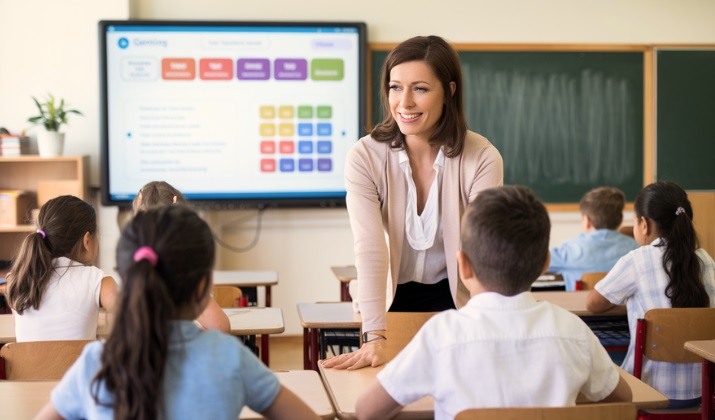
Education today is no longer limited to local classrooms; preparing children for a borderless world requires an environment that transforms global perspectives into daily learning habits.
Education today is no longer limited to local classrooms or national boundaries. Parents increasingly seek learning environments that prepare children for global opportunities, diverse cultures, and evolving career paths. Noida has emerged as a preferred destination for international education, offering schools that focus on global curricula, modern teaching methods, and holistic student development. This growing trend has positioned the city as a hub for families exploring future-ready schooling options.
With a strong education ecosystem in place, many top schools in Noida now offer international learning frameworks that blend academic excellence with global exposure. These institutions go beyond traditional textbooks to foster a mindset capable of navigating the complexities of a rapidly changing global society.
What Makes International Curriculum Schools Different
International curriculum schools focus on developing critical thinking, creativity, communication, and adaptability. Rather than rote learning, students are encouraged to understand concepts deeply and apply them in real-world contexts. These schools emphasise inquiry-based learning, collaborative projects, and continuous assessment. This approach helps students become confident learners who are comfortable expressing ideas and exploring multiple perspectives. For families planning overseas education or global careers, international curricula offer a strong academic and cultural foundation.
Early Learning with a Global Outlook
The journey toward international education often begins in early childhood. Many preschools in Noida aligned with global teaching philosophies focus on play-based, experiential learning. Children are encouraged to explore, communicate, and collaborate in nurturing environments. Early exposure to diverse learning methods helps develop curiosity, independence, and emotional confidence. Such preschools create a smooth transition into formal international schooling, ensuring children are well-prepared for structured learning environments.
Primary Education Focused on Conceptual Learning
At the primary level, international curriculum schools emphasise conceptual understanding over memorisation. Students learn through interactive lessons, hands-on activities, and group discussions. Project-based learning helps students connect subjects and understand how knowledge applies to real-life situations. Many parents compare international programmes with CBSE schools in Noida before deciding. While CBSE offers a strong academic structure, international curricula often provide greater flexibility and global exposure.
Expertise Check: The Parents’ Evaluation Checklist
When visiting potential campuses, use these three factual clarifiers to gauge the quality of the global education provided:
- Curriculum Authorisation: Ensure the school is officially authorised by bodies such as Cambridge International or the IBO.
- Faculty Specialisation: Check if teachers receive regular professional development directly from these international curriculum bodies.
- Student Support Systems: Look for dedicated university counselling and wellbeing support specifically geared toward higher education placement.
International Curriculum vs. CBSE Curriculum
|
Aspect |
International Curriculum Schools |
CBSE Schools |
|
Learning approach |
Inquiry-based and concept-focused |
Structured and syllabus-driven |
|
Assessment style |
Continuous and application-based |
Periodic exams and assessments |
|
Global exposure |
Strong emphasis on international perspectives |
Limited global orientation |
|
Skill development |
Focus on critical thinking and adaptability |
Strong academic fundamentals |
Global Exposure and Cultural Awareness
International schools often incorporate global perspectives into everyday learning. Students are exposed to diverse cultures, ideas, and viewpoints through collaborative projects and interactive learning methods. This exposure helps students become open-minded and adaptable. They learn to respect diversity and communicate effectively with peers from different backgrounds. Such experiences are particularly valuable for students planning to pursue higher education abroad or work in international settings.
Preparing Students for a Global Future
International curriculum schools focus on preparing students for a rapidly changing world. Skills such as adaptability, problem-solving, collaboration, and communication are integrated into daily learning. Students graduate with the confidence to navigate global education systems and diverse career opportunities. This future-focused approach ensures they are well-equipped for higher education and professional success on the world stage.
Key Takeaways
- Inquiry-Based Learning: Focuses on deep conceptual understanding rather than rote memorisation.
- Holistic Growth: Balances academics with critical life skills like communication and leadership.
- Early Advantage: Foundational global learning in preschool prepares children for the rigours of international primary curricula.
- Global Recognition: International curricula are highly regarded by global universities for developing independent research skills.
FAQs
What is the main difference between Cambridge and IB?
Cambridge is often more subject-specific and exam-oriented, whereas the IB is interdisciplinary and emphasises continuous, project-based assessment.
How do I verify if a school is truly “international”?
Check for official affiliation with the IB Organisation or Cambridge Assessment International Education, as these require schools to meet strict global standards.
Are these curricula recognised by Indian universities?
Yes, both Cambridge and IB curricula are recognised by Indian universities and the Association of Indian Universities (AIU) as equivalent to national boards.